There’s a moment most parents remember clearly.
Your teenager is driving, you’re in the passenger seat pretending to feel calm, and suddenly you realise they’re making real decisions on the road without your help, checking mirrors, judging roundabouts, responding to traffic.
You might still grip the door handle a little tighter than usual, but the shift has started. They’re becoming independent. For many parents, teaching a teenager to drive is a strange mix of pride and nerves. You want them to feel confident, capable, and safe, but at the same time, it’s hard not to imagine every possible problem they could run into once they start driving alone.
The good news is that most new drivers improve quickly with experience, preparation, and reassurance. A lot of the challenges they face are completely normal. This guide offers practical advice for new drivers and their parents, helping young motorists build confidence behind the wheel.
Building Confidence Takes Time
One of the biggest things to remember is that confidence behind the wheel rarely happens overnight. A teenager might pass their test and still feel uncertain in situations they haven’t experienced alone yet. That’s normal. Driving independently feels very different from driving with an instructor beside you.
The first solo trip to the shops. Driving to college alone. Picking friends up for the first time. These are often the journeys where confidence starts to build naturally.
One parent might spend weeks worrying about motorway driving, only to find their teen handles it calmly while still struggling with reverse parking outside the supermarket. Another new driver may feel confident during the day but become much more hesitant when driving at night.
Everyone develops differently.
That’s why some of the best advice for new drivers is simple encouragement without pressure. Let experience build gradually.
First Motorway Journeys Can Feel Intimidating
Motorways are one of the biggest milestones for young drivers. For parents, they often feel like a major leap forward, too. Higher speeds, multiple lanes, and heavier traffic can make those first journeys feel daunting, even after passing a test. The reality is that motorway confidence usually comes from familiarity.
A quieter first journey can help enormously. Early mornings or less busy periods give new drivers space to settle into lane discipline, joining slip roads, and overtaking without feeling rushed.
It also helps to prepare them for the mental side of motorway driving. New drivers often become so focused on speed that they forget how important planning ahead is. Reading traffic earlier, leaving more stopping distance, and staying calm around larger vehicles all come with practice. Following the latest guidance in the Highway Code can also help new drivers develop safer habits.
Some parents choose to accompany their teen on the first few motorway trips simply to provide reassurance. Even having someone quietly beside them can make those early drives feel less overwhelming.
Night Driving Feels Completely Different at First
Many new drivers pass their test with limited experience driving in the dark.
Then, winter arrives, and suddenly they’re driving home from work or college in conditions that feel unfamiliar.
Street glare, reduced visibility, country roads, heavy rain, and tiredness can all affect confidence early on. One of the most useful tips for young drivers is to treat night driving as a separate skill rather than assuming it feels the same as daytime driving.
Encourage shorter night journeys first. Familiar routes help reduce pressure while they adjust to visibility changes and judging distances in darker conditions.
Parents can also help by talking through practical habits:
- Keeping windscreens clean
- Reducing distractions inside the car
- Slowing down earlier in poor weather
- Taking extra care on unfamiliar roads
These small habits make a noticeable difference over time.
Young Driver Insurance and Breakdown Cover Options
Insurance is one of the first major responsibilities young drivers deal with independently, and it can feel overwhelming.
Prices are often higher for younger drivers, which leads many families to compare policies carefully or explore options like black box insurance.
It’s worth taking the time to explain what insurance actually covers and why details matter. A lower price may not always include the same level of support or flexibility. This is also where breakdown cover for young drivers becomes part of the conversation naturally.
For a new driver, knowing there’s someone to call if the car won’t start or something unexpected happens can make independent driving feel far less stressful.
For parents, it provides reassurance, too.
A flat battery after college or a warning light on a first longer journey doesn’t need to become a panic situation when support is already in place.
Learning to Handle Small Mistakes Matters
Every new driver makes mistakes — missing a turning, stalling at a junction, parking badly, taking the wrong exit on a roundabout. These moments feel huge to inexperienced drivers because they’re still learning how to recover calmly when something doesn’t go perfectly.
Part of good first-time driver advice is helping teens understand that mistakes are a normal part of becoming confident on the road. This is an important part of advice for new drivers, as learning how to respond safely under pressure matters more than being perfect.
Parents often set the tone here without realising it. Staying calm when small mistakes happen helps new drivers stay calmer, too. Confidence grows much faster when drivers feel able to learn without feeling judged for every error.
Independent Travel Brings New Responsibilities
The first time a teenage driver goes somewhere alone can feel significant for everyone involved. For them, it’s freedom. For parents, it’s often the first real moment of letting go.
Independent driving comes with responsibilities that go beyond controlling the car itself. Planning journeys, checking fuel levels, charging phones, and preparing for weather conditions all become part of driving confidently.
It helps to encourage simple preparation habits early:
- Checking routes before leaving
- Carrying water during longer trips
- Keeping emergency contact numbers saved
- Knowing what to do if the car develops a problem
These are everyday realities that experienced drivers manage automatically over time.
Helping young drivers build these habits early makes independent travel feel much less intimidating.
Support Matters When Teaching a Teenager to Drive
Teaching a teenager to drive isn’t just a learning experience for them. It’s an adjustment for parents as well. You spend years driving them everywhere, then suddenly they’re setting off alone. That’s why practical reassurance matters.
Reliable breakdown cover for young drivers helps create a safety net while new drivers build confidence independently. Whether it’s a flat tyre, a drained battery, or uncertainty on a first long journey, having support available helps both parents and drivers feel more prepared.
It’s one less thing to worry about while they gain experience on the road.
Helping Young Drivers Feel Confident With Breakdown Cover
As your teen starts driving independently, having the right support in place can make every journey feel less stressful. Reliable breakdown cover for young drivers provides reassurance when unexpected problems happen, from flat batteries and punctures to longer journeys away from home.
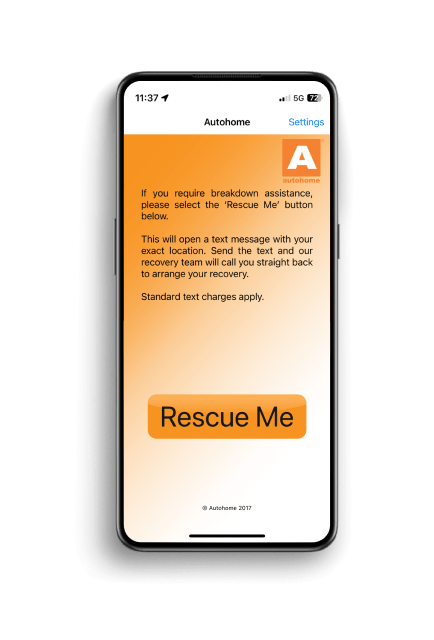
Whether they’re making their first motorway journey, driving to college, or heading out alone for the first time, Autohome’s breakdown cover helps young drivers get the support they need when it matters most.
Explore Autohome’s breakdown cover options today and give your new driver extra confidence on every journey.