A vehicle breakdown is one of those things most drivers hope they will never have to deal with. Unfortunately, even a well-maintained car can develop a fault unexpectedly, whether you are on the way to work, halfway through a long journey, or just trying to leave the house.
That is where breakdown cover can help.
This guide explains the basics, the different types of assistance available, and what to think about when choosing a policy.
What Is Breakdown Cover?
Breakdown cover is a type of assistance designed to help you if your vehicle develops a mechanical or electrical fault that leaves you unable to continue your journey.
That could mean a flat battery, engine problem, electrical issue, or another fault that leaves the vehicle undriveable.
Depending on the policy, breakdown cover can include roadside assistance, recovery, support close to home, and additional help if your journey is seriously disrupted.
It’s different from car insurance.
Motor insurance is there to protect against risks such as accidents, theft, and damage. Breakdown cover is focused on what happens when the vehicle itself stops working.
For drivers, the main benefit is having a clear route to help rather than having to organise everything from scratch at the roadside.
How Does Breakdown Cover Work?
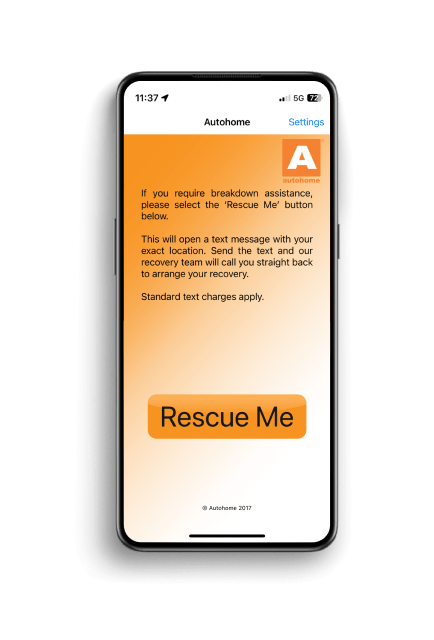
When your vehicle breaks down, you contact your breakdown provider and give them your location and vehicle details. From there, assistance is arranged.
A recovery professional will normally come out to assess the vehicle. If the fault can be fixed safely at the roadside, they will aim to get you moving again.
If it cannot be repaired there, recovery is arranged based on the level of cover you have chosen.
This is where the details of a policy matter, so it’s important to choose a level of cover that suits your needs.
Basic cover may focus on roadside help and local recovery, while more comprehensive options can offer wider recovery, assistance at home, and additional support when you cannot continue your journey.
With Autohome, breakdown cover is designed around practical support, helping drivers deal with an unexpected breakdown without the added hassle of trying to source recovery themselves.
Why Breaking Down Without Cover Can Get Expensive
A breakdown is frustrating enough on its own. Without cover, you also have to deal with the cost and organisation of recovery.
You may need to pay for:
- A call-out
- Roadside labour
- Towing
- Vehicle recovery
- Long-distance transport
- Alternative travel
Those costs can vary significantly depending on where you are, how far the vehicle needs to be moved, and when the breakdown happens.
There is also the time involved.
If you are stranded somewhere unfamiliar, you may need to search for a local recovery company, check availability, compare prices, and arrange help yourself.
If you are travelling with children, commuting to work, or trying to reach an appointment, that added delay can turn a mechanical problem into a much bigger disruption.
Breakdown cover removes a lot of that uncertainty. With an Autohome policy in place, you already know where to turn for support.
What Does Breakdown Cover Include?
The exact features will depend on the policy you choose, but most breakdown cover is built around a few core types of assistance.
Roadside Assistance
Roadside assistance is usually the starting point. If your vehicle breaks down away from home, someone is sent to assess the problem and, where possible, carry out a repair.
If the vehicle cannot be fixed there, it can then be recovered according to the terms of the policy.
For drivers who mainly want reassurance that help is available when something goes wrong, roadside assistance is often the most important feature.
Vehicle Recovery
Sometimes a roadside fix just isn’t possible.
That’s where recovery becomes important.
Depending on the policy, your vehicle may be taken to a nearby garage or transported further. If you regularly drive long distances, wider recovery options can make a big difference. A breakdown hundreds of miles from home is much harder to manage than one a few streets away.
Home Start
Some breakdowns happen before the journey even begins.
A flat battery or electrical issue can leave your car sitting on the driveway when you need to be somewhere.
Home Start cover is designed to provide assistance when the problem happens at or close to your registered address.
For commuters and households that depend on their vehicle every day, that can be a particularly useful level of protection.
Onward Travel
More comprehensive policies may include onward travel support.
If your vehicle cannot be repaired quickly, this type of cover can help reduce the disruption caused by the breakdown.
Depending on the provider and policy, that could include replacement transport, accommodation, or other travel arrangements.
Do I Need Breakdown Cover?
Breakdown cover isn’t usually a legal requirement, so whether you need it or not depends on your personal circumstances. Motor insurance, however, is a legal requirement for driving on UK roads. Think about how much you rely on your vehicle — if you commute every day, travel long distances, drive on motorways regularly, or often have passengers with you, breakdown cover can offer valuable reassurance.
You should also consider how comfortable you would be paying for recovery unexpectedly. Even a well-maintained vehicle can develop a fault, and breakdowns are not limited to older cars.
The question is whether you’d be comfortable dealing with the financial and practical consequences alone if a breakdown happens. For drivers who rely heavily on their vehicle, breakdown cover may be an important option to consider before an unexpected breakdown occurs.
Is Breakdown Cover Worth It?
We’re biased, but for most motorists, the answer is yes.
The real value of breakdown cover is certainty. If something goes wrong, you know who to contact. You know help can be arranged. You’re not left trying to solve the problem from the side of the road.
That can be especially valuable when you’re far from home, travelling with family, or facing a breakdown outside normal working hours.
For drivers considering whether breakdown cover is worth it, the decision ultimately comes down to how much they rely on their vehicle and how comfortable they would be dealing with the cost and disruption of a breakdown themselves.
Autohome breakdown cover gives drivers a straightforward way to prepare for those situations and access support when they need it.
What Should You Look for When Choosing Breakdown Cover?
Price matters, but it shouldn’t be the only factor.
Look at what the policy actually includes and whether it suits the way you drive.
Things to check include:
- Roadside assistance
- Recovery distance
- Home Start
- National recovery
- Onward travel
- Call-out limits
- Vehicle restrictions
- Exclusions
- European cover, if needed
- Whether the cover applies to the vehicle or the driver
A cheap policy is not much use if it doesn’t provide the type of assistance you expected when you need it.
Get Breakdown Cover That Works When You Need It
A vehicle breakdown can turn an ordinary journey into a stressful and expensive problem very quickly.
Having the right cover in place means you don’t have to work everything out in the moment.
Autohome breakdown cover is designed to give drivers access to practical roadside support, helping them get moving again or arrange recovery when a repair isn’t possible.
If you want the reassurance of knowing help is available when your vehicle lets you down, choosing a level of cover that matches the way you drive is a sensible place to start.
Explore Autohome breakdown cover options and find the right protection for your journeys.